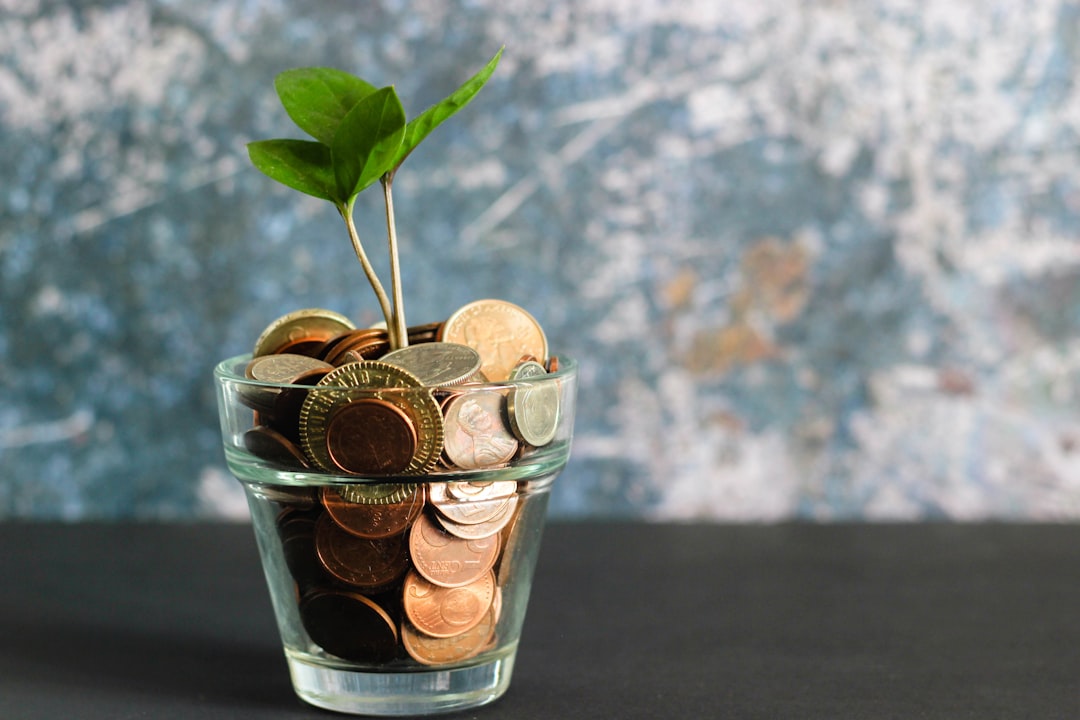
Budget planning is the cornerstone of financial success, yet many people struggle to create and maintain an effective budget. As we navigate through 2026, it's more important than ever to have a solid financial plan that helps you control expenses, build savings, and work toward your long-term goals.
Understanding the Fundamentals of Budget Planning
A budget is essentially a financial roadmap that tracks your income and expenses over a specific period. It gives you a clear picture of where your money comes from and where it goes. The primary goal of budgeting is to ensure you're spending less than you earn while allocating funds toward your priorities and future objectives.
Many people view budgeting as restrictive or tedious, but in reality, a well-designed budget provides freedom and peace of mind. When you know exactly where your money is going, you can make informed decisions about spending and saving without guilt or anxiety.
The 50/30/20 Rule: A Simple Framework
One of the most popular budgeting methods is the 50/30/20 rule, which divides your after-tax income into three categories. Allocate 50% to needs such as housing, utilities, groceries, and transportation. These are essential expenses you cannot avoid.
The next 30% goes toward wants, which include dining out, entertainment, hobbies, and non-essential shopping. This category allows you to enjoy life while staying within your means. Finally, dedicate 20% to savings and debt repayment, including emergency funds, retirement accounts, and paying off credit cards or loans.
This framework is flexible and can be adjusted based on your personal circumstances. If you live in an expensive city, you might need to allocate more than 50% to needs. The key is maintaining the balance that works for your situation while prioritizing savings.
Zero-Based Budgeting for Maximum Control
Zero-based budgeting is a method where every dollar of income is assigned a specific purpose, resulting in a balance of zero at the end of the month. This doesn't mean you spend everything; rather, every dollar has a job, whether it's for expenses, savings, or investments.
To implement zero-based budgeting, start by listing your monthly income. Then, create categories for all your expenses, including fixed costs like rent and variable expenses like groceries. Assign every dollar to a category until your income minus expenses equals zero.
This method requires more attention and planning than other approaches, but it provides unparalleled insight into your spending habits. You'll quickly identify areas where you're overspending and can make immediate adjustments to stay on track.
Envelope System for Discretionary Spending
The envelope system is a cash-based budgeting method that's particularly effective for controlling discretionary spending. You withdraw cash for various spending categories and place the money in labeled envelopes. When an envelope is empty, you stop spending in that category for the month.
Common envelope categories include groceries, dining out, entertainment, clothing, and personal care. This tangible approach makes you more aware of your spending because handing over physical cash creates a stronger psychological impact than swiping a card.
While carrying cash might seem old-fashioned in our digital age, many people find this method incredibly effective for curbing impulse purchases and staying within budget limits. You can also adapt this system using digital envelope budgeting apps if you prefer electronic transactions.
Tracking and Adjusting Your Budget
Creating a budget is just the first step; the real challenge is tracking your actual spending and making adjustments as needed. Review your budget weekly to ensure you're staying on course and identify any discrepancies early.
Use budgeting apps, spreadsheets, or even a simple notebook to record all transactions. Categorize each expense and compare it to your budgeted amounts. If you consistently overspend in certain categories, you'll need to either cut back or adjust your budget to reflect reality.
Remember that budgeting is not about perfection. Life happens, unexpected expenses arise, and priorities change. The goal is progress, not perfection. Be flexible and willing to adjust your budget as your circumstances evolve throughout the year.
Building an Emergency Fund Within Your Budget
No budget is complete without provisions for an emergency fund. Financial experts recommend saving three to six months of living expenses in an easily accessible account. This safety net protects you from going into debt when unexpected costs arise.
If you're starting from zero, don't be discouraged. Begin by saving small amounts regularly, even if it's just $25 per week. The consistency matters more than the amount. As you pay off debts or reduce expenses, redirect those funds toward building your emergency reserve.
Keep your emergency fund in a high-yield savings account separate from your checking account. This separation reduces the temptation to dip into it for non-emergencies while still keeping the money accessible when you truly need it.
Automating Your Budget for Success
Automation is one of the most powerful tools for budget success. Set up automatic transfers to your savings account on payday, schedule bill payments to avoid late fees, and use apps that round up purchases and save the difference.
By automating savings and essential payments, you remove the decision-making process and ensure these priorities are handled before you have a chance to spend the money elsewhere. This "pay yourself first" approach builds wealth consistently over time.
Technology makes budgeting easier than ever before. Take advantage of banking apps, budgeting software, and financial tracking tools to streamline the process and gain real-time insights into your financial health.
Conclusion
Budget planning doesn't have to be complicated or restrictive. By choosing a method that aligns with your lifestyle, tracking your progress consistently, and remaining flexible when needed, you can create a sustainable budget that helps you achieve your financial goals in 2026 and beyond.
Start today by calculating your income, listing your expenses, and choosing a budgeting framework that resonates with you. Remember, the best budget is the one you'll actually follow. Take control of your finances now and watch your financial confidence grow throughout the year.